
Liquid State of Matter
What is Liquid?
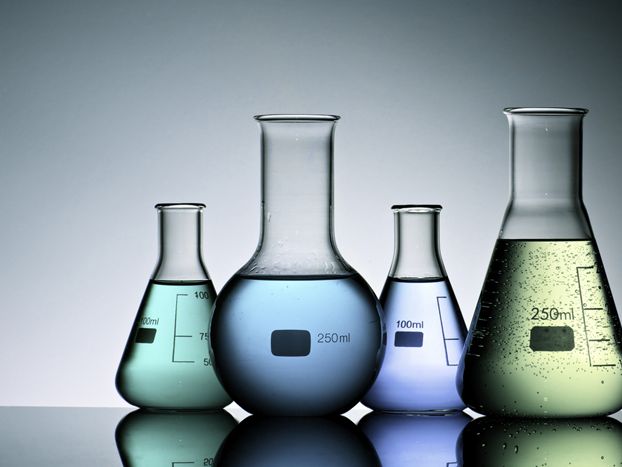
Liquid is another common phase of matter. Molecules in a liquid object stay packed closer together, yet flow a bit more evenly around the area the object is contained. Liquid is almost always affected by gravity, and will flatten out within a container. This is why bodies of water such as lakes and oceans are always flat. duh.
How is it Formed?
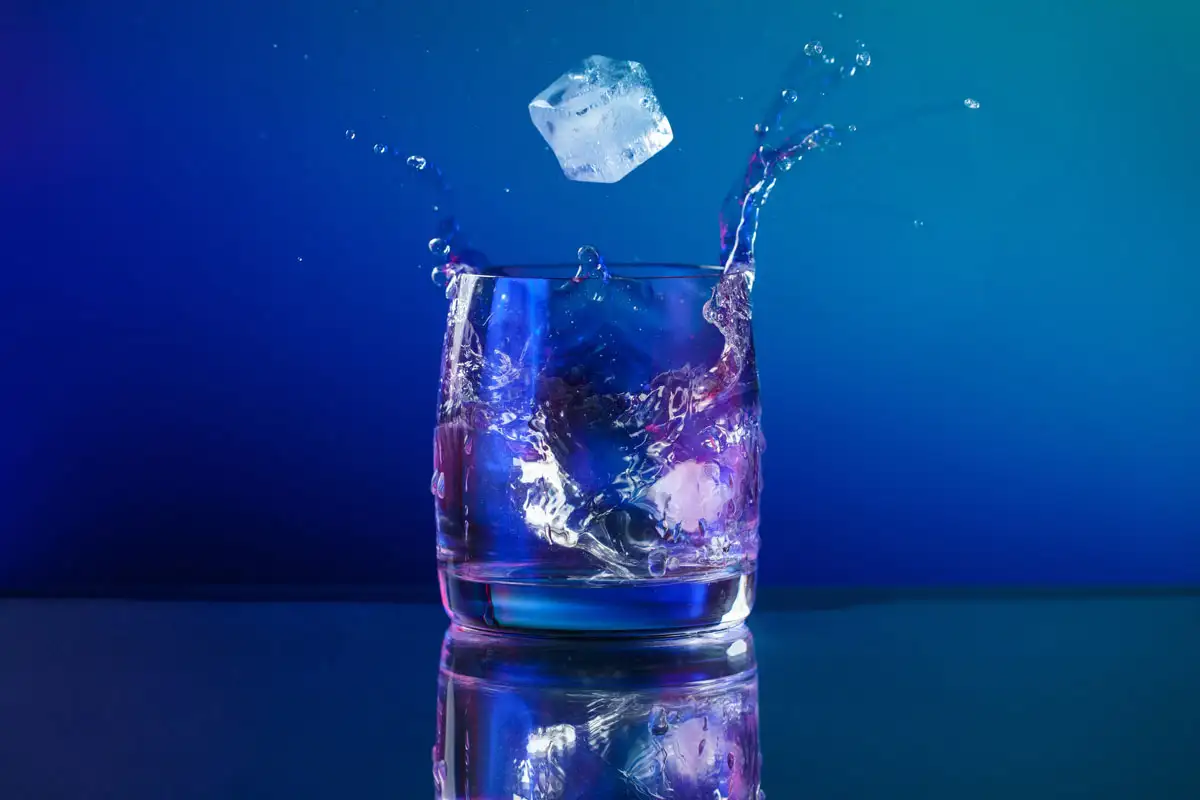
A liquid is usually formed when a solid is heated and gains enough energy to melt. As heat is added, the particles in the solid vibrate faster until they can break free from their fixed structure. At this point, the material changes into a liquid, where the particles still stay close together but have enough freedom to move. Ice melting into water is one of the most common examples of this process.
Liquids can also form when a gas cools and loses energy, causing the particles to slow down and move closer together. This process is called condensation, such as when water vapor in the air turns into liquid water droplets on a cold surface. Because liquid particles are still attracted to one another, liquids are difficult to compress and tend to stay in one connected mass rather than spreading out like gases.
For references of the different states of matter, take a look at our other pages.