
Gas State of Matter
What is Gas?
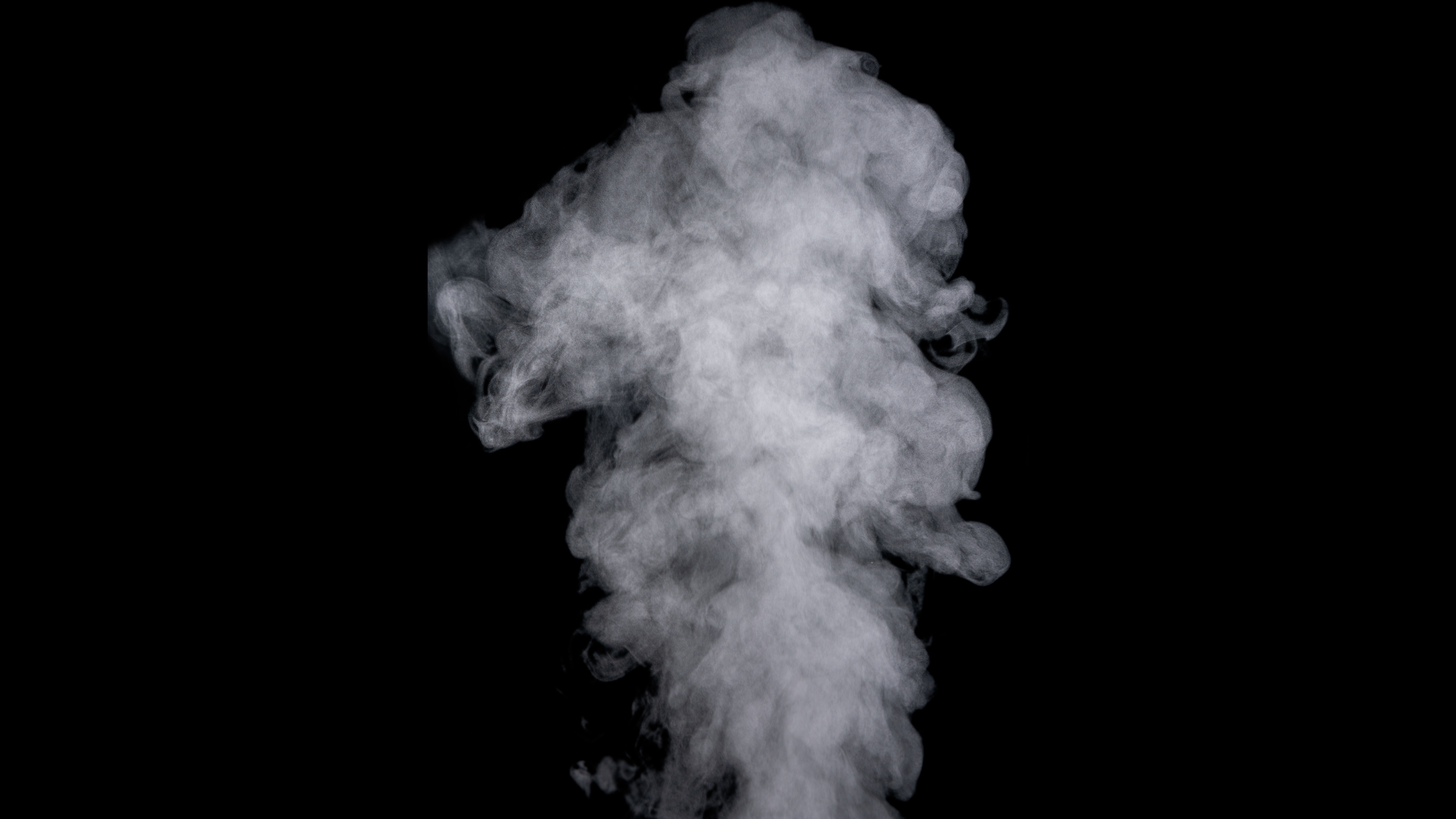
Gas is another common phase of matter. Molecules in a gas object are spread far apart and move very quickly in all directions. Gases have no fixed shape or volume and will expand to fill any container they are placed in. This is why gases can be compressed and why they are often used in applications like car tires or balloons.
How is gas Formed?
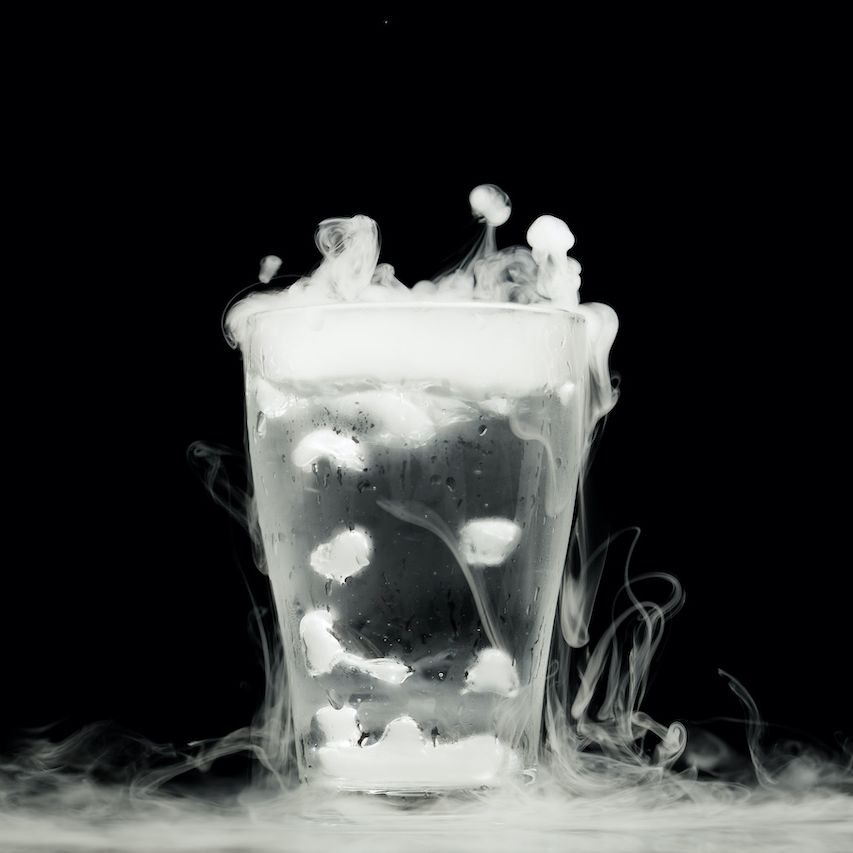
A gas is usually formed when a liquid is heated and gains enough energy to vaporize. As heat is added, the particles in the liquid vibrate faster until they can break free from their fixed structure. At this point, the material changes into a gas, where the particles are now far apart and move very quickly in all directions. Dry ice subliming directly into carbon dioxide gas is a dramatic example of this process.
Gas can also form when a gas cools and loses energy, causing the particles to slow down and move closer together. This process is called condensation, such as when propane gas is compressed and cooled to form liquid propane for storage. Because gas particles are still attracted to one another, gases can be compressed easily and are commonly used in industrial applications for efficient storage and transport.
For references of the different states of matter, take a look at our other pages.